









The Indian Premier League reshaped cricket in ways few tournaments have matched. It blended star power, city loyalty, and prime-time drama into a format built for modern audiences. Packed stadiums and massive broadcast deals turned the league into a cultural force that reaches far beyond the boundary rope.
High-pressure moments define its identity. The atmosphere mirrors the tension of a royal roulette game online, where every delivery can shift momentum and every decision carries risk. That unpredictability fueled the league’s growth and created turning points that shaped its legacy as cricket’s most influential franchise competition.
1. Brendon McCullum’s 158* in the Opening Match
The first IPL match delivered a powerful statement. Brendon McCullum smashed an unbeaten 158 for Kolkata Knight Riders, which set the tone for the league’s bold identity. The innings proved that T20 cricket could combine elite skill with high-impact entertainment.
That night stood out for three clear reasons:
- Immediate validation of the T20 format’s excitement
- A global television audience witnessing history
- Strong franchise identity built around individual brilliance.
The performance silenced early skepticism and gave the IPL instant credibility heading into the rest of the season.
2. The Rise of MS Dhoni as the Face of a Franchise
MS Dhoni turned Chennai Super Kings into one of the league’s most successful and recognizable teams. His calm decision-making under pressure and tactical clarity shaped a winning culture that delivered consistent playoff appearances and titles. Beyond results, his presence built deep fan loyalty and strengthened the franchise’s identity across seasons.
3. The 2013 Spot-Fixing Scandal and League Reforms
In 2013, spot-fixing allegations shook the league’s reputation and tested public trust. Suspensions and investigations placed the tournament under intense scrutiny.
The Board of Control for Cricket in India responded with stricter governance rules and stronger anti-corruption measures. Oversight improved, transparency increased, and structural reforms followed. The crisis ultimately strengthened the league’s integrity and long-term stability.
4. The Emergence of Young Indian Talent
The IPL opened doors for domestic players who lacked international exposure. Scouts identified standout performers from state circuits and placed them alongside global stars, which built confidence in high-pressure matches broadcast worldwide.
Many players used the league as a pathway to national selection. Exposure to elite standards accelerated development and expanded India’s depth across formats. The IPL now serves as a direct bridge between domestic and international cricket.
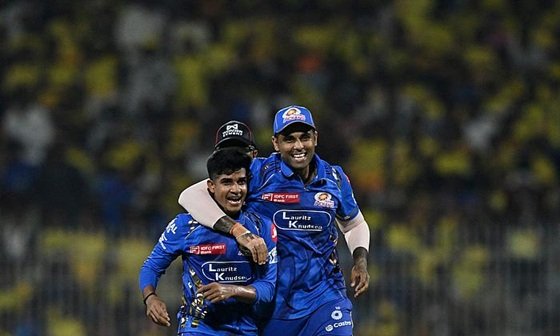
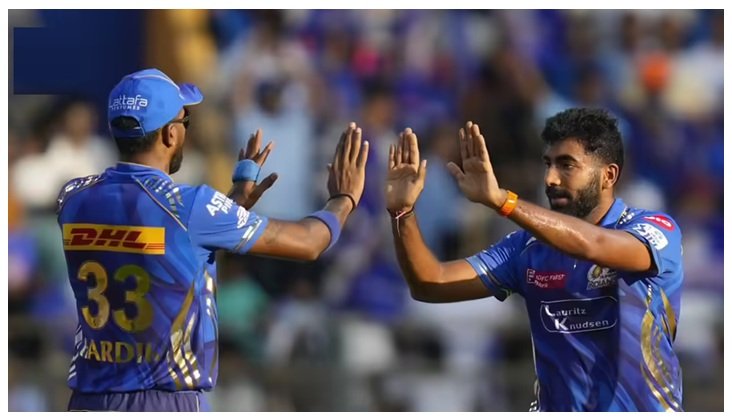
5. Mumbai Indians’ Era of Dominance
Sustained success defined the rise of the Mumbai Indians. Multiple titles reflected a strategy built on smart scouting, balanced squads, and composed leadership. The franchise backed young talent and retained proven match-winners.

Consistency under pressure set Mumbai apart. The team adapted to varied conditions and maintained composure in finals, which established a benchmark for long-term planning in a format known for volatility.
6. The 2020 Bio-Bubble Season During the Pandemic
The global pandemic threatened sporting calendars worldwide. The IPL responded with a carefully managed bio-bubble in the United Arab Emirates. Strict protocols protected players and staff, while matches proceeded without in-person crowds.
Television audiences surged as fans sought live sport during uncertain months. The season demonstrated operational discipline and logistical expertise. The league preserved continuity at a time when many competitions paused. That resilience reinforced its commercial strength and global appeal.
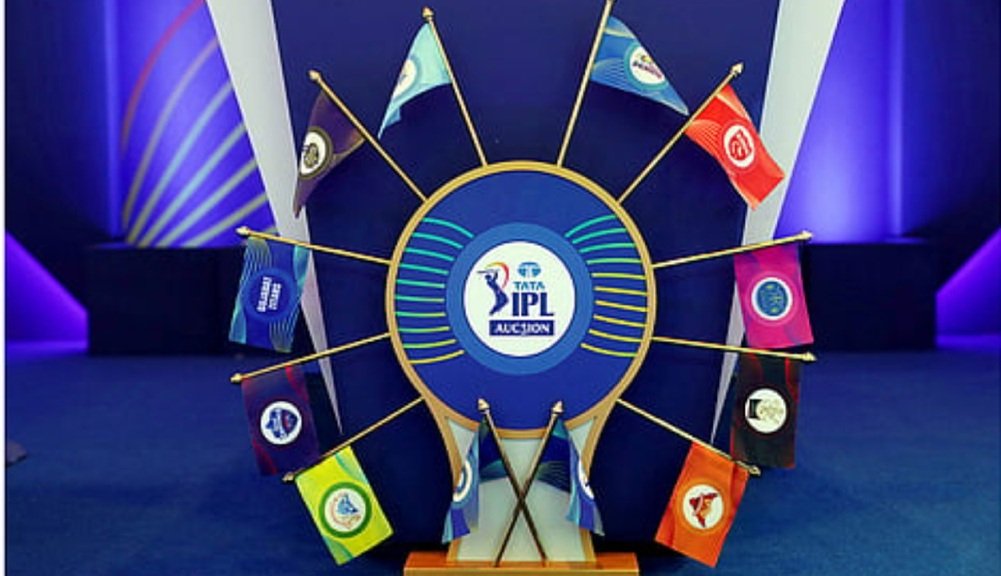
7. The Expansion to 10 Teams
The addition of new franchises broadened competition, created fresh rivalries, and expanded regional representation. A deeper talent pool opened more opportunities for domestic players, while auctions and recruitment strategies became more complex. The league evolved into a larger ecosystem that reflected its rising stature and stronger national footprint.
8. The IPL’s Billion-Dollar Media Rights Deals
Massive broadcasting and streaming contracts turned the IPL into a financial powerhouse and highlighted its enormous demand. Fierce bidding between digital platforms and television networks reshaped India’s sports economy. These deals secured long-term revenue for franchises, reinforced the league’s elite entertainment status, and funded investment in infrastructure, grassroots development, and global promotion.
How These Moments Shaped Modern T20 Cricket
Each turning point influenced the direction of the IPL and the broader T20 landscape. Early success established credibility, and crisis prompted reform. Expansion and commercial growth cemented global dominance.
The league now stands as a model for franchise cricket worldwide. Its milestones reveal how innovation, accountability, and ambition can redefine a sport. Modern T20 cricket reflects lessons learned from these defining chapters in IPL history.