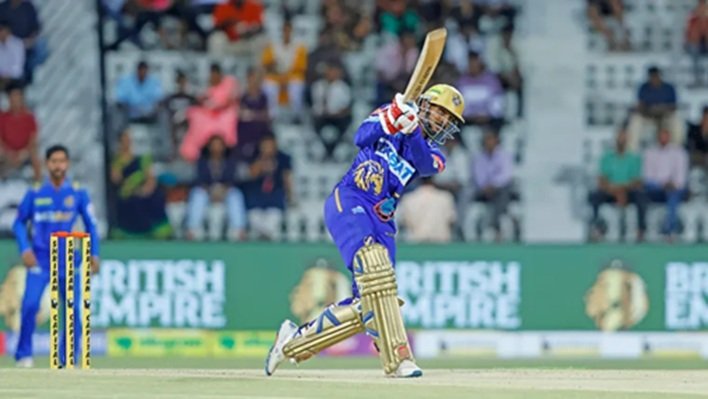










Watching cricket on TV is fine, but it’s nothing like standing in a packed stand when the whole place erupts on a boundary. If you haven’t done that yet, it’s genuinely worth planning a trip around. The catch is that cricket travel in India moves at its own pace — ticket windows open and shut in a hurry, hotel rates near stadiums jump the moment a big fixture is announced, and picking the “right” city really just depends on who’s playing and when.
Pick the series, then pick the city
The domestic Twenty20 league runs for around two months and moves between eight or nine cities, so the fixture list basically doubles as your travel map. Test matches move slower and give you more room to breathe — five days per game means you can turn up on day two and still catch plenty, and tickets for the middle days tend to be cheaper than opening morning. If atmosphere matters more to you than the actual stakes of the match, a day-night game in a cricket-obsessed city like Chennai, Kolkata, or Mumbai will almost always beat a flat afternoon session somewhere less passionate about the game.
Booking logistics that actually matter
- Official ticketing portals open sales in short windows, often announced only a few days ahead. Set a reminder rather than checking daily.
- Book accommodation before tickets if you can. Rooms near major stadiums fill up weeks before seats do, especially for weekend fixtures.
- Local trains and metro lines near stadiums get overwhelmed an hour before the toss. Budget extra time, or book a cab pickup point a few streets away from the main gate.
- Carry a printed ticket copy. Phone screens die at the worst moments, and stadium wifi is rarely reliable enough to reload a QR code.
What to actually bring to the ground
Most stadiums restrict bag sizes and don’t allow outside food, so pack light. A cap, sunscreen, and a small battery pack for your phone end up mattering more than people expect — day matches in April and May across central and southern India get brutally hot, and the cheaper stands often have zero shade. Keep some cash in small notes for vendors, since card readers in the upper tiers can be unreliable. And if you’re wearing your team’s colours, expect some good-natured heckling from the rival section — it’s part of the fun, not something worth getting worked up over.
Staying close without overspending
Hotels within walking distance of a stadium can charge significantly higher rates on match nights. A smarter option is often to book accommodation ten to fifteen minutes away by cab or metro and treat the short journey as part of the matchday experience. That small extra distance can reduce your room cost considerably while also helping you avoid the crowds leaving the stadium at the same time. For cricket fans, the Telegram channel can also be useful for staying connected with cricket updates and match-related information while travelling.
Following the match when you’re not in the ground
Not every trip lines up with a fixture you can actually attend, and a lot of travellers end up watching from a hotel room, a train berth, or a friend’s living room in some other city instead. That’s really where a big chunk of modern cricket fan culture lives now — group chats tracking every over, fantasy team swaps between innings, and for adults who like a bit of extra engagement with the game, platforms such as 10cric – sports betting where match markets run alongside the live action. It’s worth treating this purely as entertainment — set a budget in advance, stick to it, and keep in mind that cricket outcomes, like the odds attached to them, are never a sure thing. Rules on this kind of activity differ by state in India, so it’s worth knowing your own local situation before getting involved.
Timing your trip around the calendar
The domestic T20 season generally runs through a compact part of the year, while the international home season fills other months with Test, ODI, and T20 fixtures. Shorter white-ball tournaments often fit into the remaining gaps. If you’re planning just one major cricket trip each year, the league period can offer a wider choice of cities and match dates within a short window. If you’d rather watch a full Test match unfold, the cooler months can make spending several days in the stands much more comfortable. Checking Cricket Match Prediction Today can also help fans follow upcoming fixtures, team form, and match expectations while planning their cricket travel.
A short checklist before you leave home
- Confirm gate times and entry rules for the specific stadium; some ban water bottles entirely, others allow sealed ones.
- Check whether the venue has a re-entry policy if you need to step out during a break.
- Keep a digital and physical copy of your ID; some stadiums cross-check ticket names against ID at premium gates.
- Have a backup plan for getting back to your hotel, post-match traffic near major grounds can add an hour or more to a normally short ride.
None of this guarantees a perfect day, because cricket itself never promises anything—rain delays, late pitch changes, and injury-forced XI swaps can happen no matter how carefully you’ve planned. But showing up prepared, with tickets sorted and expectations kept realistic, is what turns a stadium visit from a logistical headache into the kind of day you’ll actually want to talk about afterward. The iOS app and Android app can also help fans stay updated with live scores, match information, and important developments while attending the game.